Stainless Steel,Stainless Steel Products,Stainless Steel Manufacturer,Stainless Steel Supplier
search
  • 16

    Apr

    2026

    Ronsco, 904L Stainless Steel, 904L Pipes, 904L Steel Pipes

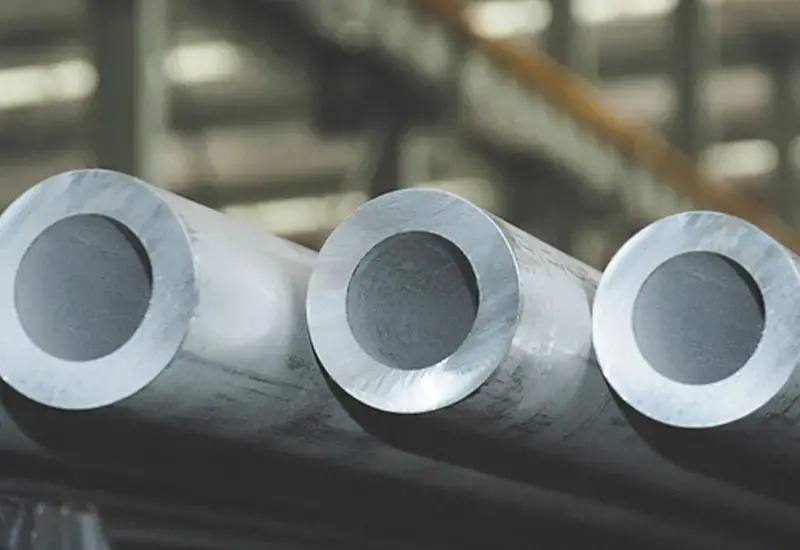
    Does Your Application Demand the 904L Pipe?

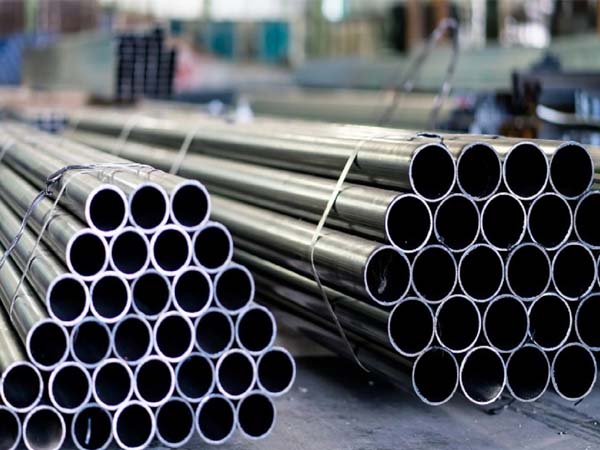
    When standard stainless steels like 316L are no match for your process, specifying the right material is the most critical engineering decision you'll make. 904L stainless steel pipe provides a distinct and necessary performance leap, delivering exceptional resistance where other austenitic alloys consistently fail. Designed for the most demanding chemical, marine, and pollution control applications, it is the proven solution for systems that cannot afford unplanned downtime or compromise on safety.
  • 08

    Apr

    2026

    Ronsco, High Strength Round Bar, 431 Stainless Steel Round Bar

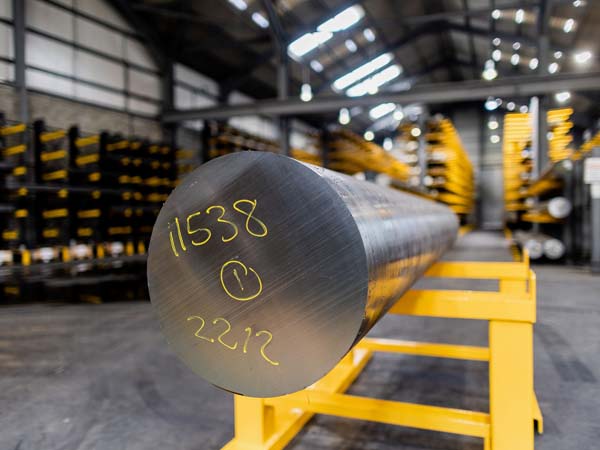
    Do You Need to Purchase 431 Round Bars?

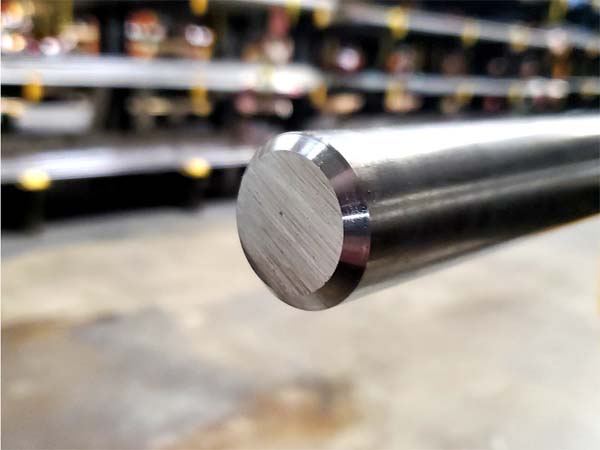
    When your design calls for higher strength and hardness than standard 304/316 stainless steels, but you still require good corrosion resistance, 431 stainless steel round bar emerges as a superior, cost-effective solution. As a martensitic grade that can be hardened through heat treatment, it is the material of choice for high-stress components. This guide provides everything engineers, designers, and buyers need to know about 431 round bar, from its technical foundations to savvy procurement strategies.
  • 02

    Apr

    2026

    Ronsco, High Strength Stainless Bar, Nitronic 50 Round Bar, XM-19 Bar

    What’re the Key Applications for Nitronic 50 (XM-19) Round Bar?

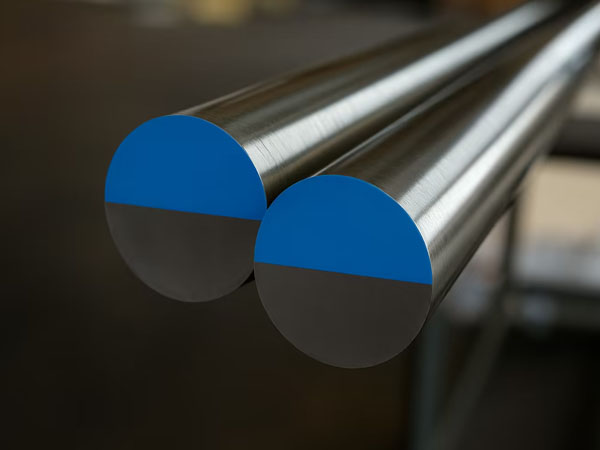
    If you're searching for round bar stock that can handle both heavy loads and harsh environments, you've likely found that most materials force a compromise. Standard austenitic grades like 316L lack the needed strength, while very high-strength steels often fall short on corrosion resistance. This is precisely the gap that Nitronic 50 (also known as UNS S20910 or XM-19) is engineered to fill.
  • 24

    Mar

    2026

    Ronsco, Austenitic Heat-resistant Stainless Steels, UNS S30900, UNS S30908

    309 Stainless Steel vs 309S Stainless Steel

    Both 309 (UNS S30900) and 309S (UNS S30908) are high-performance, austenitic heat-resistant stainless steels. They are engineered primarily for applications involving extreme temperatures, where exceptional resistance to oxidation (scaling) is the top priority. You'll typically find them in components like furnace parts, radiant tubes, heat treatment fixtures, burner parts, and exhaust systems, where they reliably withstand continuous service temperatures up to approximately 1050°C (1922°F).
  • 17

    Mar

    2026

    310 vs 310S stainless steel, 310S welding, high temperature steel selection, furnace tube material, sensitization corrosion, ASTM A240, heat resistant stainless steel

    Difference Between 310 and 310S Stainless Steel

    Here's a scenario that keeps project engineers and plant managers up at night: you’ve specified a high-performance, heat-resistant stainless steel for a new furnace retrofit or boiler upgrade. The equipment runs beautifully at temperature, but the first time it cools down for maintenance, you find weeping leaks along the welds. The culprit? Not a bad welder, but the wrong material choice at the design stage.
  • 11

    Mar

    2026

    Ronsco, FGD Pipe, ASTM A312 Pipe, 317L Pipe

    When to Specify 317L Pipe?

    If you're specifying pipe for a chemical plant, an FGD system, or any environment where chlorides are a concern, you've likely faced this dilemma: 316L is starting to show its limits with pitting or crevice corrosion, but jumping to a duplex steel or a nickel alloy feels like overkill—and blows the budget. There's a material that lives squarely in that performance gap, and it's one of the most cost-effective upgrades you can make: 317L stainless steel (UNS S31703).
  • 05

    Mar

    2026

    Ronsco, 17 4PH Stainless Steel, 17 4PH Round Bar

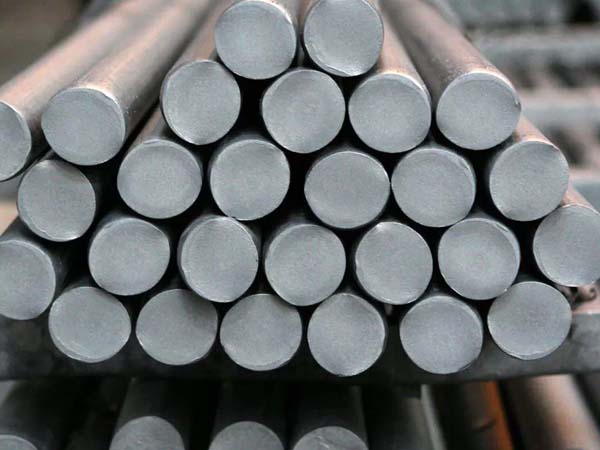
    17 4PH Bar Guide: Specification, Sourcing, and Precision Machining

    If you're designing, sourcing, or machining a component that demands high strength, good corrosion resistance, and manufacturability, 17-4PH (also known as UNS S17400 or Grade 630) stainless steel bar is likely on your shortlist. But specifying the right bar stock is just the beginning. The real value—and potential pitfalls—lie in understanding the journey from a raw bar to a finished, high-performance part.
  • 03

    Mar

    2026

    Ronsco, Super Duplex Stainless Steel, UNS S32906

    Choosing S32906 Super Duplex? Here’s Your Complete Guide

    If you're reading this, you're likely past the basic "what is S32906" stage. You know it as a super duplex stainless steel (UNS S32906, EN 1.4410) chosen for its formidable combination of strength (550 MPa min yield) and chloride resistance (PREN > 40). Your real questions are practical: how do I specify it correctly, procure it with confidence, and avoid the costly pitfalls that can derail a project? This guide cuts to the chase, focusing on the execution phase for engineers and buyers who need this material to perform as promised.
  • 05

    Feb

    2026

    Ronsco, 253MA Stainless Steel, 254SMO Stainless Steel, Difference Between 254SMO and 253MA

    253MA Stainless Steel vs 254SMO Stainless Steel

    Confused between 254SMO and 253MA stainless steel? Our expert engineering guide clarifies the critical differences in corrosion resistance (e.g., chlorides) vs. high-temperature performance to ensure you select the correct grade for your project's success and cost-effectiveness.
  • 23

    Jan

    2026

    Ronsco, Austenitic Stainless Steel 904L, 316L Stainless Pipe Suppliers

    904L Stainless Steel vs 316L Stainless Steel

    Within the austenitic stainless steel family, the selection of 904L over the ubiquitous 316L represents more than a simple grade upgrade—it is a fundamental shift in material philosophy driven by specific, severe environmental challenges. While 316L serves as the versatile, cost-effective baseline for chloride resistance, 904L is engineered as a targeted solution for chemical environments where standard molybdenum-alloyed stainless steels reach their operational limits. The choice between them hinges on a precise understanding of the corrosion mechanism, not just the corrosive agent itself.
< 1 2 3 4 5 6 7 8 9 10 ... 13 >
WhatsApp

WhatsApp

E-mail

E-mail